

Haarlem Oil is fascinating and reflects the richness of alchemy and the artisanal discoveries linked to this substance. Its origins date back more than 330 years, making it a traditional product appreciated for its unique composition.
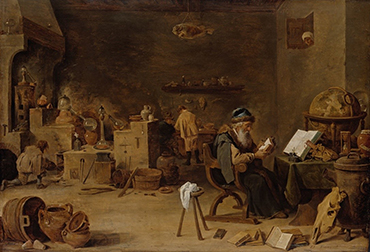
The emergence of Haarlem Oil is closely tied to Dutch alchemy and a key figure: Claas Tilly. In 1696, Tilly developed a formula known as Medicarnentum Gratia Probatum, which would become Haarlem Oil. This product was recognized for its quality and its sophisticated manufacturing process, kept secret for two centuries.
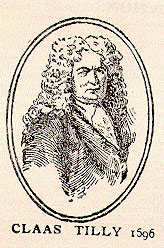
After Claas Tilly’s death in 1734, his sons, Koning Tilly and G. Koning Tilly, took over the family business. However, from that point onward, the business began to deteriorate. Several factors, such as increased competition and the spread of counterfeits, affected the product’s quality and reputation. Indeed, many families in Haarlem started producing less effective versions of the oil, which contributed to tarnishing the image of this precious remedy.
Despite this, Haarlem Oil became known throughout Europe and beyond, and many countries continued to appreciate its qualities, though often in altered forms.

In the 19th century, research highlighted the importance of certain elements such as sulfur in nutrition and well-being. Haarlem Oil stands out for its traditional composition, making it a valued product as part of a balanced lifestyle.
Today, Haarlem Oil is used by those seeking natural and authentic products. It fits into a holistic approach to well-being and respect for tradition.
Haarlem Oil represents a precious heritage, passed down for more than 330 years. It embodies the meeting of tradition and craftsmanship and remains a symbol of authenticity for those who favor natural products in their daily lives.